












Wednesday, June 17, 2026
8:30 AM – 9:00 AM
Welcome Address from City of McAllen Executive Management
Jeff Johnston
Assistant City Manager, Director of Emergency Management at City of McAllen
9:00 AM – 10:00 AM
Opening Keynote: Resilience: Flex Your Strongest Muscle

Mercedes R. Johnson
Can too much experience be a bad thing? Absolutely…if it leads to complacency. The highly experienced pilots of American Airlines Flight 965 were lulled into a false sense of security that led to the deaths of 160 people. As a survivor, Mercedes’ one-of-a-kind safety presentation uses the factual account of the crash of Flight 965 as an anchor to drive home the dangers of complacency and the importance of situational awareness. Participants will clearly understand the difference between knowing about safety and putting safety into action within their own industries.
10:15 AM – 11:15 AM
Avoiding Negligent Entrustment & Nuclear Verdicts Commercial Auto Risk Management Best Practices
Jim Greaves
Vice President Risk Service at HUB International
Learn proven commercial auto risk management practices to prevent negligent entrustment claims & protect your business from nuclear verdicts. This is a critical risk management topic focused on protecting your business from catastrophic commercial auto liability.
Commercial auto losses are among the most expensive claims businesses face today, with “nuclear verdicts” (jury awards exceeding $10 million) becoming increasingly common. ⚖💰 Negligent entrustment claims can expose your organization to devastating liability—but the right risk management practices can significantly reduce your exposure.
What You’ll Learn: In this focused session, we will cover proven strategies to strengthen your defensibility and protect your organization, including:
Driver qualification standards and best practices
MVR (Motor Vehicle Record) monitoring protocols
Telematics oversight and data utilization
Regulatory compliance requirements
Underwriting considerations that impact your coverage
1:15 PM – 2:15 PM
Worker Recovery Mindset

Melissa Steger
EVP at WorkCompCollege.com
Room 102
The workers’ compensation industry is currently navigating significant challenges, notably the shifting workforce dynamics due to the “grey tsunami” and “great resignation.” The core issue lies in the need for professionals who not only fill positions but also deeply understand the interconnected roles of all parties involved in the system and claim advocacy. The traditional view of workers’ compensation as a cost-centric and monotonous field is deterring the new generation of workers who seek meaningful and impactful careers. To address this, there is a call to shift towards a worker recovery model that emphasizes holistic care, focusing on restoring the injured worker’s health, job function, and overall well-being. This approach not only aligns with the values of the emerging workforce but also promises better financial and clinical outcomes for both employers and employees.
1:15 PM – 2:15 PM
Your Dollars, Your Strategy: Evidence Based Approaches to Your Benefits Strategy
Lauren Safranek
VP, Public Sector Consulting at Lockton
Room 103
This session provides a comprehensive look at the evolving healthcare and financial landscape facing today’s employers. Through real population health data, pharmacy insights, and a transparent review of financial drivers, presenters will illustrate how employers can better understand their risks, target interventions, and make strategic decisions that improve employee health outcomes and reduce long term costs.
The presentation explores:
Leveraging Data: How population segmentation, chronic condition insights, and complex claims analysis can uncover high impact opportunities and guide proactive plan strategies.
Making Your Dollars Work for You: A transparent look at the financial ecosystem surrounding benefits — including commissions, fees, and negotiated savings — and how a consultant model provides clarity and measurable ROI.
2:15 PM – 3:15 PM
Early Investigation, Thorough Evaluation & Creative Resolution Strategies for Auto Cases
Jessica Junek
Attorney at Castagna Scott PLLC
Jorge Zamora
Attorney at Mayer LLP
Room 103
This presentation explores ways for claims adjusters, and those partnering with attorneys, to investigate auto and commercial motor vehicle accidents. The presentation addresses how early and quick investigation can assist with thorough liability evaluation, which will generate effective, efficient, and creative resolutions to prevent extensive litigation resulting in exposure.
2:15 PM – 3:15 PM
Introduction to Incident (Accident) Investigations
Fernando Hernandez
Risk & Safety Manager at City of Austin
Room 102
There is a misconception that leads many to believe that incidents are unexpected or unplanned events in the workplace. That many not always be the case. Some incidents result from hazardous conditions and unsafe behaviors that have been ignored or tolerated for weeks, months or even years. The failure of people, equipment, supplies, or surroundings to behave or react as expected causes most incidents. Eliminating or reducing workplace accidents saves money, reduces absenteeism and in many cases increases productivity and employee morale. In many cases, it is not a matter of “if” the incident is going to happen, it is only a matter of “when”.
3:45 PM – 4:45 PM
Intelligence Tradecraft: Principles for Advanced Investigations
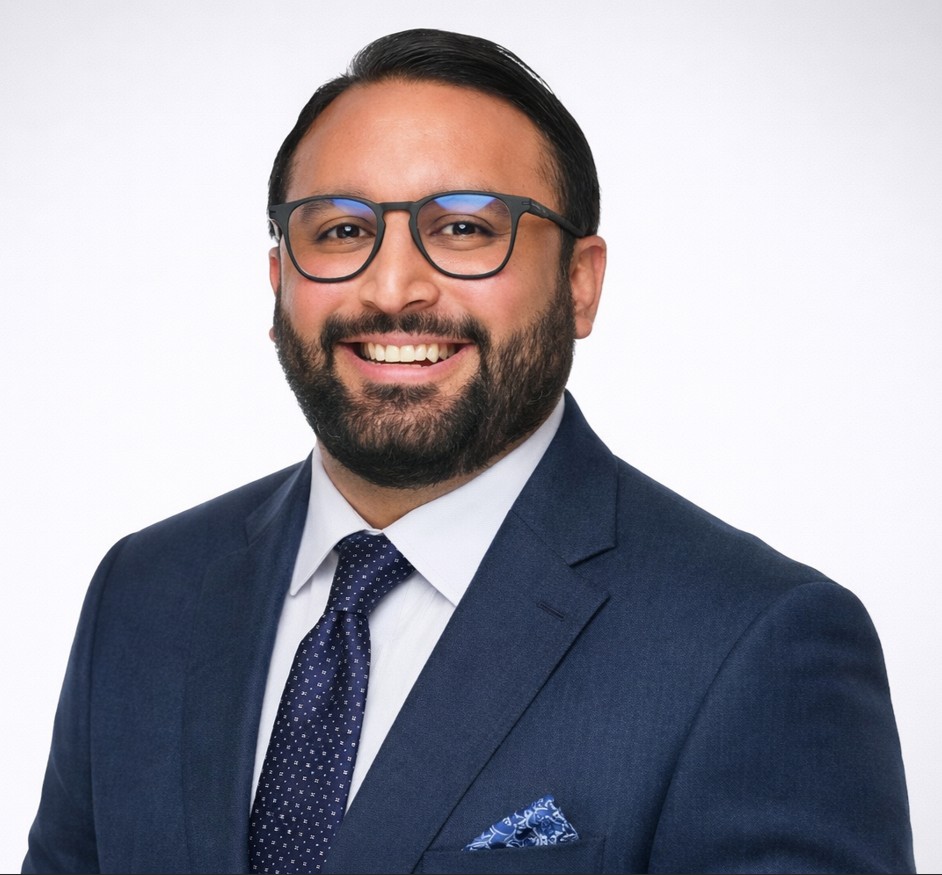
George Flores
Partner at DigiStream Investigations
Joseph Ongay
Investigative Consultant at DigiStream Investigations
Room 102
The breadth of modern investigations has grown rapidly over the past decade. Traditional social media and background checks, one-crew surveillance, and interviews are no longer the only tools at a professional’s disposal. More information than ever before is available to the end-users of intelligence, and yet traditional investigative patterns have persisted. This has wasted client money, led to unimaginative investigations with unimpactful results, and fostered a divide between what clients need and what investigators deliver.
Understand how the private intelligence community has evolved via an examination of geospatial and geosocial investigations, patterns of life analysis, multi-crew and unmanned surveillance operations, and how to leverage these capabilities to maximum effect.
Many investigative solutions that are considered “advanced” are far more accessible and affordable than many believe. This session will provide clarity to professionals and improve their understanding of a variety of modern techniques for uncovering and leveraging information.
Specifically, the session seeks to educate the attendees on the four main disciplines of private intelligence gathering: Open Source Intelligence, Geospatial Intelligence, Signals Intelligence, and Human Intelligence. By utilizing a more diverse set of tools, the end-user of intelligence enables themselves and their organization to deliver a compelling defense against high-value litigation and threats.
Learning Objectives
• Understand the significance of the four disciplines of private intelligence and the differences between them.
• Understand Pattern of Life Analysis (POLA): Learn how to study routine behaviors to identify predictable movement patterns and detect significant anomalies.
• Master Predictive Recovery: Discover how to use a “Behavioral Baseline” to make calculated recovery attempts when visual contact is lost during surveillance.
• Leverage Multi-Source Intelligence: Combine OSINT, geo-tagged content, and historical data to create a structured investigative plan before the first investigator ever leaves the office.
• Learn the basic principles of Open-Source Intelligence (OSINT) as well as the three pillars of OSINT: Identity Resolution, Geographic Resolution, and Chronologic Resolution.
• Understand what Geospatial Intelligence (GEOINT) is and how to utilize it to uncover photos, videos, posts, and witnesses tied to a specific time and location.
• Understand what Signals Intelligence (SIGINT) is and how it commonly manifests in the private sector. Specifically, cellular forensics, cell site analysis, vehicle tracking, and wireless network identification are examined.
• Understand what Human Intelligence (HUMINT) is and how both manned and unmanned surveillance operations function.
• Learn the most common mistakes made during surveillance operations from a tactical standpoint and how modern technology and proper techniques reduce this risk dramatically.
• Discover the rationale behind utilizing more than one investigator on a surveillance case, the statistics supporting such cases, and an in-depth look at common mistakes and limitations of “one-crew” surveillance so you can avoid these situations.
• What is needed to unmask the identity of anonymized individuals online who may be making threats towards you or your organization and common-sense steps to anonymize yourself online to avoid these potential threats.
3:45 PM – 4:45 PM
Advanced Property Claims: Trends & Updates
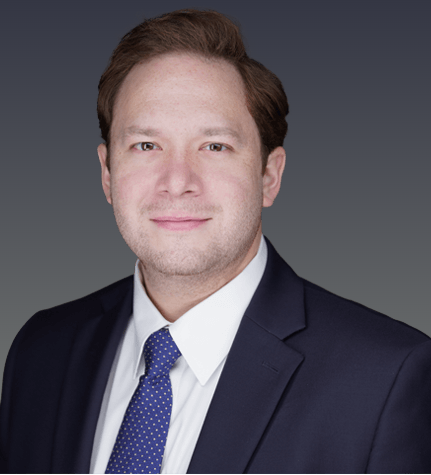
Eric Botello
Associate Attorney at Pearson Legal, P.C.
Room 103
This session will delve into the complexities of property claims and provide advanced insights to navigate them effectively.
Thursday, June 18, 2026
8:30 AM – 9:30 AM
Legislative (and other) Updates in Workers Compensation
Stuart Colburn
Shareholder at Downs & Stanford, P.C.
The one thing constant in workers’ compensation is change. This fast-paced overview will survey the changes made by the legislature, the courts, and the regulators. Everything you ever wanted to know in less than 60 minutes.
9:30 AM – 10:30 AM
From Engagement to Resolution: The Missing Link in Workforce Health, Risk Reduction, and Cost Control
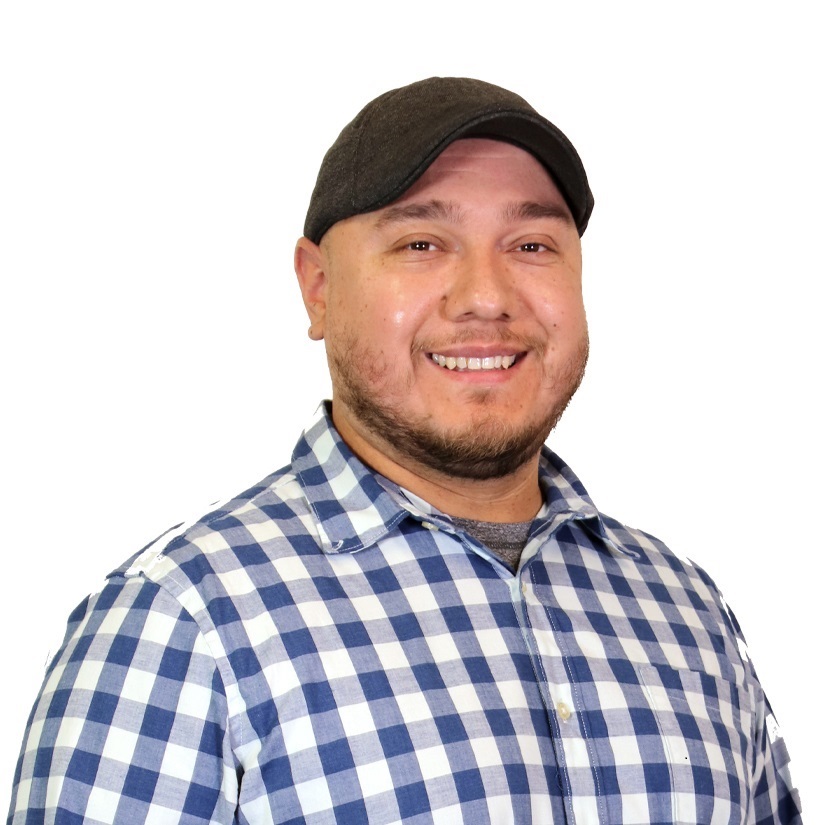
Juan M. Gaona
STX Director of Business Development at Airrosti Rehab Centers
Room 103
Employee health is one of the strongest drivers of engagement, productivity, and retention — yet most workforce health strategies still focus on engagement and utilization rather than resolution.
Nowhere is this more evident than in musculoskeletal (MSK) care, where employees often navigate a fragmented system of digital tools, providers, and specialists without a coordinated plan or clear outcome. The result is persistent pain, repeated care, rising claims, and increased workforce disruption.
This session reframes workforce health through a new lens: resolution.
Attendees will explore how unresolved pain — not lack of engagement — drives absenteeism, presenteeism, turnover, and claims variability. Using national data, clinical insights, and real-world employer examples, this session demonstrates how early, clinically guided MSK intervention can reduce downstream risk, shorten recovery time, and improve employee experience.
Participants will also learn how leading organizations are shifting from fragmented, activity-based programs to integrated, outcome-driven models that align benefits, safety, and workforce strategy — delivering measurable improvements in both employee well-being and total cost of care.
This is a practical, educational session focused on outcomes, workforce performance, and sustainable risk and cost reduction — not a product presentation.
9:30 AM – 10:30 AM
Drug & Alcohol Program Management: FMCSA Clearinghouse Dos and Don'ts / Legislative Updates on Marijuana
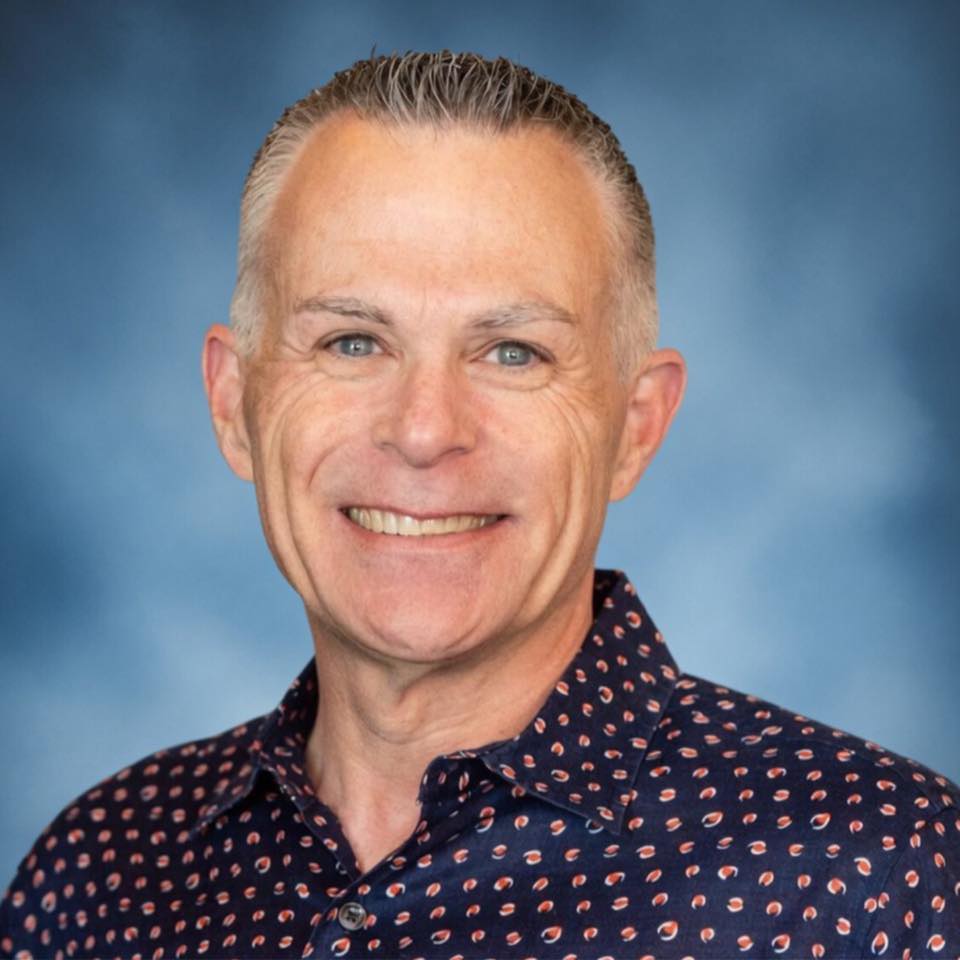
Larry Bauske
President at The Alcohol and Drug Testing Service (TADTS)
Room 102
Public entities are often not aware of the changing landscape on federal workplace drug testing regulations. This gap in awareness leaves organizations vulnerable to claims, road violations and federal penalties. This session dives deep into the Federal Motor Carrier Safety Administration Clearinghouse and how it benefits employers to utilize the platform and protect their roadways.
10:45 AM – 11:45 AM
The Six Pillars of Safety Excellence
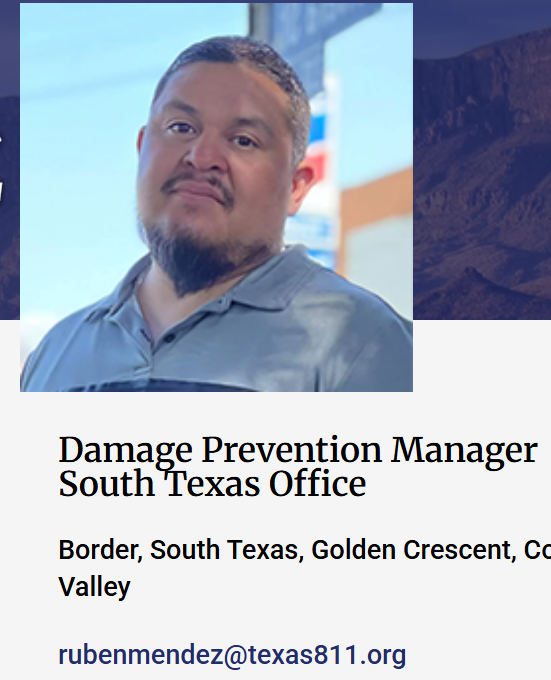
Ruben Mendez
Damage Prevention Manager at Texas 811
Room 102
This course provides a comprehensive framework for establishing, maintaining, and continually improving an effective workplace safety and health program. Built around The Six Pillars of Safety Excellence: worker participation, hazard identification, hazard prevention, education and program evaluation, the class equips participants with the actionable strategies needed to transform organizational safety culture from reactive to proactive.
10:45 AM – 11:45 AM
Wellness in the Workplace: Treating and Preventing Musculoskeletal Injuries
Room 103
Presented by DHR Health
1:15 PM – 2:15 PM
Texas 811: What You Don't Know Can Kill You
Ruben Mendez
Damage Prevention Manager at Texas 811
Room 103
“Texas 811 – What You Don’t Know Can Kill You” is a powerful safety presentation focused on the life-saving importance of the Texas 811 damage prevention system. Participants will learn how underground utility strikes occur, the legal responsibilities of excavators under Texas law, and the critical steps required before digging. Through real-world examples, incident analysis, and practical field guidance, this session highlights the hidden dangers beneath our feet and explains how a simple call or online ticket to Texas 811 can prevent catastrophic injuries, fatalities, service outages, and costly damage. Attendees will leave with a clear understanding of safe excavation practices, the locate process, and how to protect workers, communities, and infrastructure.
1:15 PM – 2:15 PM
Bridging HR & Risk: What You Didn't Know You Needed to Know

Kristina Peters
AVP, Sr. Consultant at Charlesworth Consulting
Room 102
Every HR move—from the first interview to the final exit—is a high-stakes risk event for your city. This session moves past basic compliance to show Texas municipal leaders how to bridge the gap between HR and Risk Management to shield their budgets and reduce liability.
We’ll dig into the real cost of risk, showing how simple documentation gaps can lead to $100k+ hits to insurance premiums. You’ll walk away with a “COI Masterclass” checklist to audit vendor insurance like a pro, plus a roadmap for shifting from a “culture of fear” to a “culture of safety” that actually lowers workers’ comp costs and boosts morale. It’s time to stop treating HR and Risk like silos—come learn the practical strategies leading cities use to turn HR into a strategic powerhouse.
2:15 PM – 3:15 PM
Roundtable Panel Discussion: "Navigating Risk When Risk Gets Real"
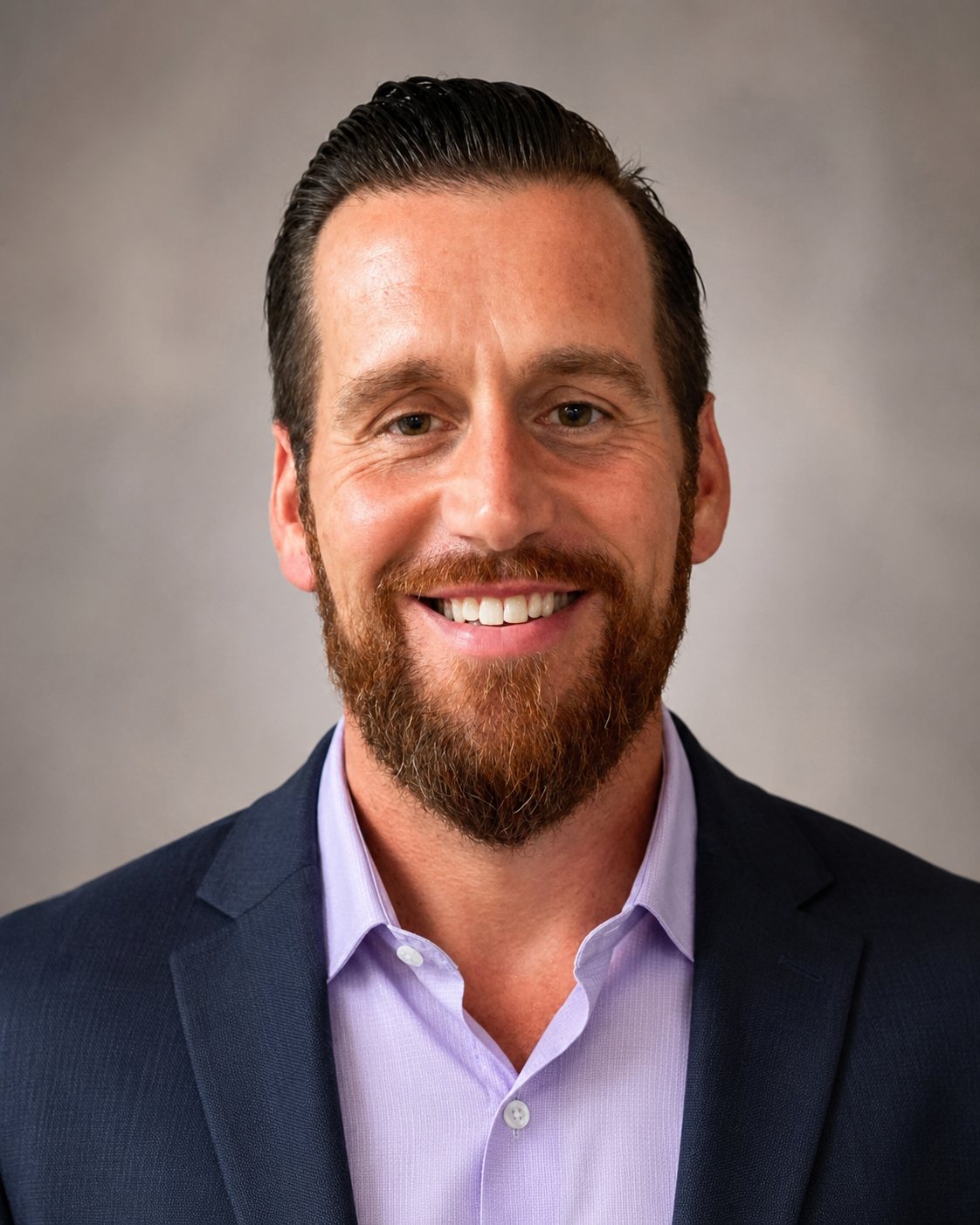
Matthew Worthington
Workers’ Compensation Program Director at Pam Health
Fernando Hernandez
Risk & Safety Manager at City of Austin
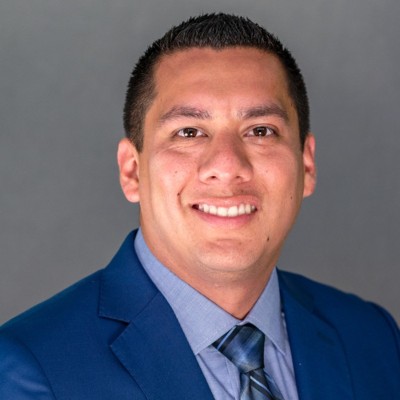
Jorge Camorlinga
Claims Supervisor at United Fire Group Insurance
Room 103
That moment hits fast—things shift, and it’s go time. In those early stages of an incident, decisions come quickly, information is still unfolding, and the pressure is on.
This session brings together perspectives from risk management, claims, and medical coordination to unpack what really happens in those critical moments. Through real-world insights and shared experiences, we’ll explore how early alignment, clear communication, and care decisions shape recovery, claims outcomes, and long-term risk.
Walk away with a clearer understanding of what matters most—and simple, practical actions you can take when it’s your “órale… now what?” moment.
3:45 PM – 4:45 PM
Closing Keynote: Reputation Management
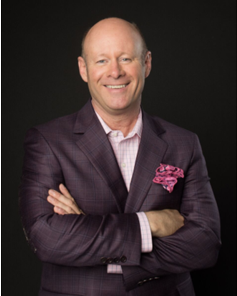
Jeff McKissack
President at Defense By Design
Today there are a number of risks facing the corporate as well as government and nonprofit sectors. Most such challenges, however, are less about technology, systems and protocols, and more about people.
This presentation by Jeff McKissack of Defense By Design will address those lesser recognized human issues in the three primary areas of physical, data and reputational risk as well as points of liability, points of mitigation, and points of documentation to reduce potential claims of negligence, whether tried in a court of law, or today in the court of public opinion. This is about keeping your people out of the emergency room and keeping you as their employer out of the courtroom and the newsroom. In short, it is about helping you spot trouble ‘before’ trouble spots you!